




CRM Software
for Casino Game Platforms
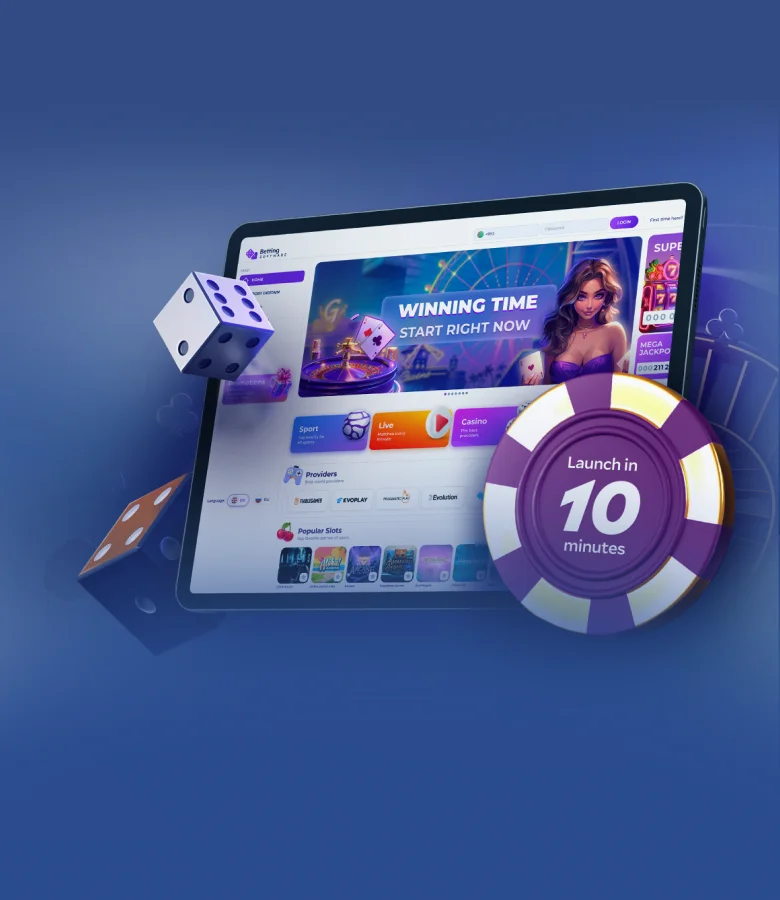
until your product launch
Full support in Spanish
clients in LATAM
providers
games

CRM in gaming has stopped being optional. Nowadays, gaming companies compete on retention now, and a CRM system makes it measurable. Customer relationship management in the gaming industry means tracking player data and turning raw activity logs into decisions that actually move a player base forward.
Below is what CRM software actually does inside a gaming platform and where automation and AI-driven insights are changing what’s possible.
What CRM means in the gaming industry
A CRM solution tracks every touchpoint a player has with the platform (from deposits and in-game actions to support tickets as well as churn signals). An active player can generate hundreds of trackable events in a week.
Traditional CRM tools like Salesforce or Dynamics 365 were designed for sales teams managing a pipeline. Most iGaming companies end up choosing between adapting one of these platforms heavily vs. switching to a CRM tool that already understands player loyalty and leaderboard mechanics.
Why CRM in gaming industry strategy matters so much
Success in the gaming industry increasingly depends on the power of CRM to keep a player base engaged past their first session. A new player is expensive to acquire. A returning player is where the actual revenue comes from. That shift is why CRM implementation has become a priority project for gaming companies of every size, not just the largest platforms.
Player engagement and loyalty come from personalization, which comes from data most companies already have but don’t use. A CRM system enables companies to segment a player base by behavior. For example, a player who logs in daily but barely spends needs a different marketing message vs. an active spender who’s been quiet for a week.
Core features to look for in CRM software for gaming
A strong CRM solution for the gaming industry should cover a few core areas.
| Feature | What it does |
|---|---|
| Tracking player behavior | Builds a full picture of how someone plays across multiple platforms, not just how much they deposit |
| Automating marketing campaigns | Triggers re-engagement messages, birthday offers, and milestone rewards without manual work per player |
| Enhancing customer support | Gives support full context on a player's history the moment a ticket comes in |
| Real-time analytics | Lets a team react to a churn signal the same day it appears |
| Omnichannel consistency | Ties messages together across email, in-game notifications, and push alerts |

Gamification
and recognition and rewards
Gamification is one of the stronger CRM strategies inside gaming platforms today. Badges and milestone tracking use the same motivation loops that the core game already has, and leaderboards work at a group level. Recognition and rewards feel like part of the product itself.
This matters for retention specifically. A player chasing a badge or leaderboard position has a reason to log in beyond the game itself, and that additional touchpoint is exactly what boosts engagement and loyalty over time.
AI-driven insights and where CRM is heading
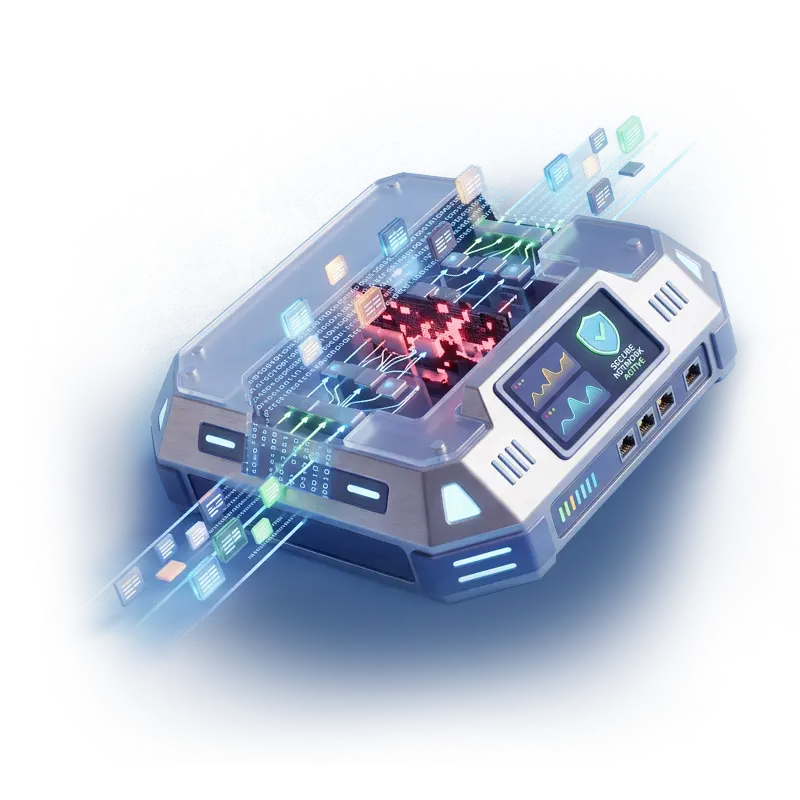
AI-powered features are moving fast into CRM software for gaming, which can filter which players are at risk of churn before anyone notices the pattern and can suggest which promotion is statistically likely to bring a certain player back.
Personalization becomes genuinely actionable here. A CRM platform that combines player behavior, spending patterns, and engagement history can build a tailored offer automatically, at a scale no marketing team could match by hand across a large player base.
Free and accessible options for smaller operators
Not every gaming company needs an enterprise CRM platform on day one. Smaller operators and startups can start with lighter tools, sometimes free tiers of general-purpose platforms like Shopify’s built-in customer tools or Zoho CRM, before moving to a gaming-specific CRM solution as the player base and data volume grow.

How CRM fits into a gaming platform
A CRM system works best when it’s connected directly to the platform generating the player data, not tacked on as a separate tool pulling exports on a delay. BSW’s platform architecture is built to feed player activity, deposits, and engagement data into a CRM layer without manual data transfer, so segmentation and campaigns work off current information instead of yesterday’s snapshot. More on how that integration is structured is available on our BSW custom platform page.
FAQ
What are the top CRM software options for the gaming industry?
Options range from general-purpose platforms like Salesforce, Zoho CRM, and Dynamics 365 adapted for gaming to purpose-built CRM solutions designed around player behavior, retention, and in-game engagement from the start.
What is gamification in the context of CRM and how does it benefit businesses?
Gamification means using badges, leaderboards, and milestone rewards inside a CRM strategy to keep players engaged. It benefits businesses by increasing engagement and loyalty without relying purely on discounts or bonuses.
Are there free CRM solutions available for gaming businesses?
Yes. Smaller operators often start with free or low-cost tiers of general CRM platforms before scaling up to a dedicated gaming CRM solution as their player base grows.
What are CRM apps and do they support mobile devices?
Most modern CRM platforms include mobile apps or mobile-optimized dashboards, letting teams monitor player engagement and respond to support tickets away from a desktop.
What features should one look for in a CRM software for the gaming industry?
Look for real-time player behavior tracking, marketing automation, integrated customer support tools, segmentation capabilities, and increasingly, AI-driven insights for churn prediction and personalization.



Connecting your
game platform to a real CRM layer
Retention tools only work with clean, real-time player data behind them. Tell us how your platform is set up now and we'll map out what a proper CRM integration looks like.