






odds and live betting
+ sportsbook models
into your platform
and market adaptation
Sportsbook Platform and Betting Platform for Online Sports Betting Operators
BSW helps operators build a sportsbook platform where events, betting odds, bet slip logic, player accounts, payments, reports, risk controls, and back-office settings work in one environment.
For LATAM, tier-3, and emerging-market projects, a betting platform is tested by real traffic, not by a polished demo. Live markets, local deposits, mobile behavior, support load, and jurisdiction rules quickly show whether the setup is ready.

This page explains what operators should check before launching an online sportsbook: engine logic, data feed quality, betting line depth, margin control, mobile flow, management tools, and demo requirements.
Summary
A sportsbook platform should give the operator clear control over odds, bets, payments, limits, player activity, and reports.
The main launch checks are practical: live betting speed, data feed stability, bet acceptance, line coverage, margin settings, payment tracking, mobile usability, and market fit.
The right sportsbook solution depends on the target region, traffic model, product format, payment providers, sports coverage, team workflow, and level of control required after launch.

Sportsbook Platform Overview for Online Sports Betting Operators
A sportsbook platform is more than a page with matches and prices. It is the operating layer behind wager checks, odds movement, market status, settlements, limits, balances, reports, and support tasks.
For operators, the most important question is visibility. The team should be able to track bets, exposed events, player groups, payment statuses, manual review cases, and risk signals without losing time.
The platform scope may include pre-match betting, live betting, betting odds display, bet slip flow, back-office control, payment setup, reporting, user monitoring, localization, and API-based integrations.
What Makes Sportsbook Software and Sports Betting Software Ready for Launch
Sportsbook software is launch-ready when the operating team can manage daily work without jumping between disconnected tools.
A slow feed can show old odds. Weak limits can raise exposure during live events. A confusing bet slip can stop users before the first deposit or wager. Poor payment tracking can overload support.
| Platform area | What to check |
|---|---|
| Betting engine | Wager checks, odds changes, market status, limits, and settlement logic |
| Betting line | Sports, leagues, markets, prices, suspensions, and live coverage |
| Margin control | Price settings, exposure, limits, reports, and manual review |
| Back office | Users, payments, roles, reports, settings, and support tasks |
| Payment flow | Deposits, withdrawals, balances, statuses, and transaction history |
| Mobile front end | Search, bet slip, registration, deposits, withdrawals, and results |
A betting platform should help the team react fast when odds move, payments are delayed, limits need adjustment, or live events carry extra risk.

Common Sportsbook Launch Risks
Many sportsbook problems appear only after real users start betting. Demo screens rarely show how the product behaves under live odds changes, payment checks, support requests, failed settlements, and suspended markets.
Before launch, the team should test rejected bets, outdated odds, bet slip updates, withdrawal status, market suspensions, and result settlement.
Live betting needs special attention. If odds change, the user should see the update before confirming the wager. If a payment is pending, support should find the status without searching across several systems.
These checks matter more in tier-3 markets, where internet speed, device quality, payment habits, player behavior, and support expectations can differ from one country to another.
Sportsbook Engine,
Bet Flow, and Betting Odds
The betting engine is the core of sportsbook software. It checks market status, betting odds, stake size, balance, limits, and settlement rules before a wager is accepted.
For players, the process should look simple: choose an event, select a market, enter a stake, and place the bet. Behind that flow, the system decides whether the price is still valid, the market is open, the balance is enough, and the stake is allowed.
This is especially important during in-play betting. Prices can change within seconds, so the platform should handle updates clearly and avoid unnecessary risk.
A sportsbook platform needs stable logic for bet types, price changes, suspended markets, stake limits, open bets, settled bets, rejected wagers, and result corrections.
Data Feed,
Betting Line, and Live Betting
A data feed supports events, markets, scores, betting odds, and live updates. If it is slow or incomplete, the online sportsbook may show outdated prices or miss important markets.
The betting line affects more than coverage. It shapes market depth, user choice, live activity, price movement, and margin control.
Before launch, operators should review which sports and leagues are covered, how live updates work, how suspended markets behave, how odds changes appear in the bet slip, and how results are settled.
Sports coverage should match the audience. A LATAM sportsbook may need strong football coverage, international tournaments, basketball, tennis, and regional betting habits. Another emerging market may need a different mix.

Margin Control
and Advanced Sportsbook Management Tools
Margin control should be discussed before launch, not after the first traffic spike. Operators need to understand how price settings, exposure reports, limits, and manual review tools support the business model.
A startup, agent-led project, affiliate-driven brand, and established operator may need different risk settings. The same sportsbook solution can feel too limited or too complex if the controls do not match the team.
Advanced sportsbook management tools should help the team review stakes, possible payouts, player groups, wallet movements, limits, roles, reports, and manual checks.
Risk Tools for Live
Sportsbook Operations
Risk tools matter most when betting activity is already moving. The team may need to react to fast odds changes, repeated stake patterns, exposed matches, high-value wagers, or unusual player activity.
The platform should show open bets, stake size, possible payouts, market exposure, player groups, wallet movements, and manual review cases in a clear format.
Bookmaker-led, agent-led, and affiliate-led sportsbooks often need stronger control over limits, permissions, balances, reports, and user groups.
Good risk tools do not replace the operator’s decisions. They make the right information visible before a small issue becomes a larger loss.
Market Fit for LATAM
and Tier-3 Sportsbooks
Tier-3 and emerging markets are not one audience. LATAM, Africa, parts of Asia, and offshore-regulated projects can differ by sports demand, payment behavior, mobile use, language, support needs, and legal structure.
A sportsbook launch should start with market logic. The setup needs to fit local sports, betting line priorities, currencies, payment methods, registration flow, support workflow, and jurisdiction requirements.
For LATAM, Brazil is now a regulated fixed-odds betting market. The country’s official government portal states that the regulatory framework took effect in 2025 and that only companies authorized by the Secretariat of Prizes and Betting may operate legally.
Operators can also review regulator resources in Peru and Colombia, plus Curaçao guidance for offshore or emerging-market structures.
BSW can support the software and integration side of a sportsbook launch. The operator remains responsible for licensing, legal review, market entry decisions, and local compliance.
The best online sports betting experience depends on local fit. In some markets, local football, mobile deposits, fast withdrawals, language support, and familiar bet types matter more than a long generic feature list.
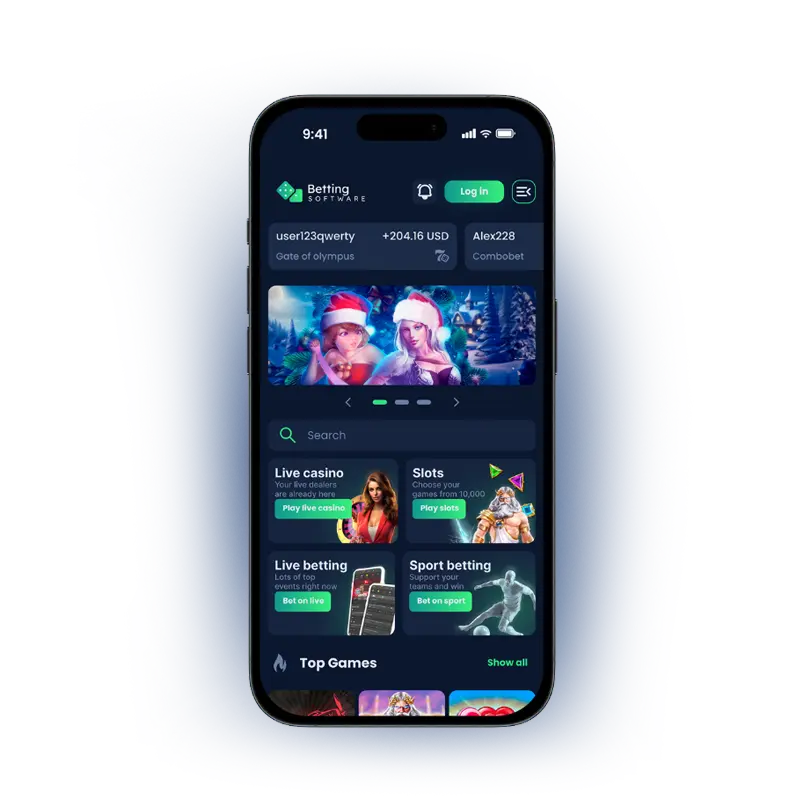
Sports Betting App and Betting App Flow
A sports betting app should make the main actions easy to find: registration, event search, market selection, bet placement, deposit, withdrawal, and result tracking.
Mobile is often the first real test of a sportsbook platform. If the bet slip is unclear, the deposit path feels hidden, or live markets load slowly, users may leave before placing a wager.
For operators, mobile flow should match the target region. This includes language, currency, registration steps, payment path, bet slip behavior, product navigation, and account access.
Sportsbook Solution
for Sportsbook and Casino
in One Betting Platform
Some operators launch a sports-first product. Others need sportsbook and casino in one betting platform, with shared accounts, wallet logic, payments, bonuses, reports, and support workflows.
The key check is how both product areas work together. The team should review wallet behavior, user account logic, reporting, payment status, product navigation, and support access.
A sportsbook-plus-casino setup should match the budget, launch timing, internal team, target region, regulation, and growth plan.
How BSW Compares
with Top Sports Betting Platform Options
Operators usually compare sportsbook platforms by engine stability, betting line depth, live betting speed, data feed quality, market coverage, margin control, risk tools, payment setup, back-office access, mobile flow, and support after launch.
Some top sports betting solutions focus on enterprise-scale trading, large data infrastructure, and deep market coverage. Others are built around faster launch, white label setup, regional entry, or sportsbook-plus-casino projects.
BSW may fit operators that need sportsbook functionality, integrations, payment configuration, localization options, casino compatibility, API-based expansion, and technical support in one setup. Operators can also review the broader BSW Products & Services page to compare sportsbook, turnkey, API integration, betting terminals, and other iGaming solutions.
| Comparison area | What operators usually check | What to discuss |
|---|---|---|
| Betting engine | Wager checks, odds changes, settlements | Required bet flow and acceptance logic |
| Betting line | Sports, leagues, markets, live coverage | Target sports and regional demand |
| Margin control | Price settings, exposure, limits | Risk model and reporting needs |
| Payments | Deposit and withdrawal flow | Local payment providers and currencies |
| Mobile flow | Bet slip, search, registration, deposits | Mobile UX for the target market |
| Back office | Users, reports, roles, support tools | Team workflow and permissions |
| Integrations | Providers, feeds, payments, APIs | Launch scope and future expansion |
Claims such as best sportsbook, best sports betting platform, or trusted sportsbook should be checked against real criteria: engine behavior, line depth, margin tools, payment flow, mobile UX, support, integrations, and post-launch control.

Legal Sports Betting and Betting Technology
Every jurisdiction has its own rules for legal sports betting. Early checks usually include legal structure, payment rules, KYC and AML duties, reporting, responsible gambling tools, and advertising limits.
Betting technology can support records, account controls, reporting, player verification flows, and operational checks. It does not replace legal advice.
For stricter regulated-market benchmarks, operators can review remote gambling and gambling software technical standards. Malta can also be reviewed through B2B critical gaming supply guidance.
The final setup should be reviewed by qualified specialists in the target jurisdiction.

Request a Demo from a Sportsbook Software Provider
A demo request helps define the sportsbook platform scope before launch. Operators can use it to discuss the target region, betting line, margin control, payment flow, mobile experience, back-office needs, integrations, and support model.
Before requesting a demo, prepare the main project details:
-
target country or region;
-
launch model;
-
sports and market priorities;
-
payment providers or currencies;
-
sportsbook-only or sportsbook-plus-casino setup;
-
expected traffic source;
-
required integrations; back-office and reporting needs.
Request a demo from BSW to discuss your target region, sportsbook setup, betting line, margin control, data feed, payment flow, mobile experience, integrations, and launch plan.
FAQ
What is a sportsbook platform?
A sportsbook platform is software that helps an operator run an online sportsbook. It connects the betting engine, odds, betting line, markets, bet slip, user accounts, payments, risk tools, reports, and back-office settings.
What is the difference between a sportsbook platform and a betting platform?
A sportsbook platform focuses on sports betting: events, odds, markets, bet slip, live betting, risk, and settlements. A betting platform may also include player management, payments, casino products, bonuses, reporting, and integrations.
Why does the data feed matter for a sports betting solution?
The data feed supports events, markets, odds, scores, and live updates. If it is slow or incomplete, the sportsbook may show outdated odds, miss betting options, or create risk during live activity.
Final Thoughts
A sportsbook platform is ready for launch when the team can manage odds, betting line, margin, payments, risk, reports, players, and support without losing control during live activity.
Request a demo from BSW to discuss your target region, sportsbook setup, betting platform format, data feed, payment flow, mobile experience, integrations, and launch plan.



Ready to
launch your business?
An advanced provider of betting software operating globally. A wide range of innovative products and services for both sports and virtual and casino betting.