






Sports Betting Software Provider for Operators by BSW
and live betting
+ sportsbook models
into your platform
and market adaptation

This page explains what sports gambling software includes, how operators compare buying and rental models, and what to check before launching an online sports product.
Summary
-
The platform helps operators manage players, wagers, payments, reports, limits, and daily operations.
-
A sports betting platform should include bet acceptance logic, risk tools, back office, payment flow, reporting, and technical support.
-
The right setup depends on the project model: startup, bookmaker, existing operator, affiliate-led project, or casino operator adding sportsbook
-
Operators should check license requirements, KYC, AML, reporting, responsible gambling tools, and payment rules before launch.
-
BSW helps operators compare turnkey, white label, rental or managed, and custom formats based on budget, launch timing, and control needs.BSW helps operators compare turnkey, white label, rental or managed, and custom formats based on budget, launch timing, and control needs.
What a Betting Platform
Means for an Operator
A betting platform helps the operator display events, manage prices, accept wagers, control limits, track payments, review reports, and work with player data. For a new online sports betting project, the setup affects launch speed, payment flow, user journey, and daily management. For an existing operator, it affects scaling, content expansion, risk control, reporting, and integrations.
What a Betting Platform
Means for an Operator
A betting platform helps the operator display events, manage prices, accept wagers, control limits, track payments, review reports, and work with player data. For a new online sports betting project, the setup affects launch speed, payment flow, user journey, and daily management. For an existing operator, it affects scaling, content expansion, risk control, reporting, and integrations.
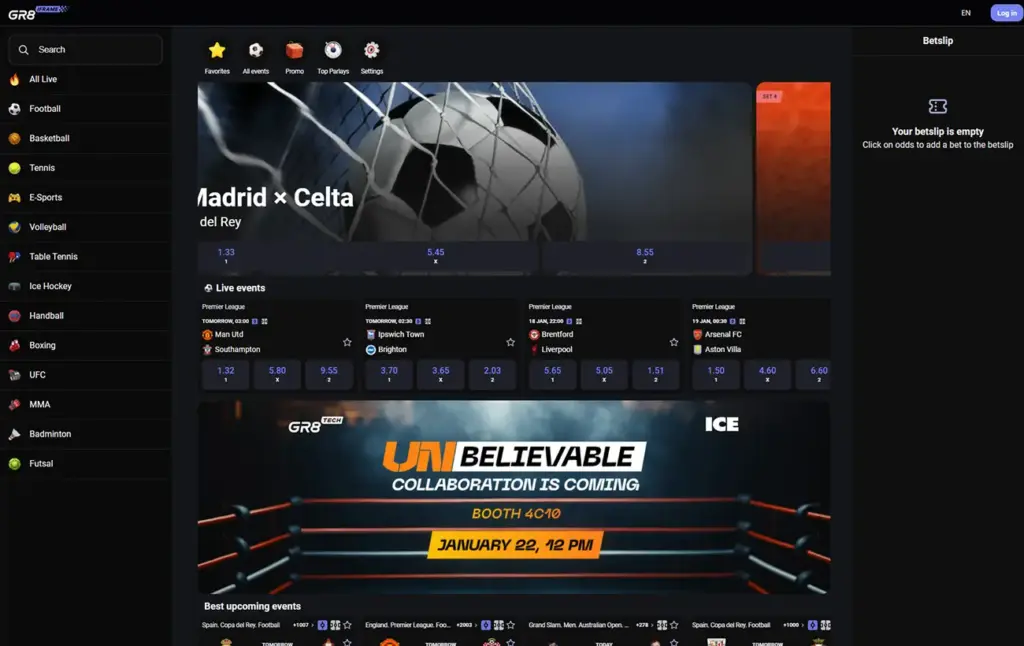

Core Modules Inside
a Sports Betting Platform
A working product needs more than a front-end page. The operator also needs back office, wallet logic, risk settings, payment integrations, reporting, and support. BSW’s sportsbook page describes a sportsbook engine with pre-match and live betting, real-time odds, an admin panel, real-time statistics, risk and operations tools, user activity monitoring, back-office control, payment setup, and API-based expansion options.
| Layer | What it does | Why it matters |
|---|---|---|
| Front end | Shows events, prices, selections, and account pages | Helps users move to wager placement |
| Back office | Manages players, payments, limits, reports, and settings | Gives the team control |
| Events and prices | Displays pre-match and live options | Shapes the product offer |
| Bet acceptance logic | Checks wager, balance, status, limits, and settlement logic | Supports the core flow |
| Risk settings | Applies limits, exposure controls, and alerts | Helps protect margin |
| Payments | Connects deposits, withdrawals, balances, and transaction statuses | Supports local payment flow |
| Reporting | Shows financial, player, and product data | Gives managers insight |
| Support | Covers updates, fixes, and technical help | Keeps the platform stable |
BSW can help define which modules are needed for launch and which API integrations can be added later. BSW also presents API Integration as a separate service area for connecting providers, content, and platform functionality.
Acceptance Modules
Bet acceptance logic checks whether a wager can be placed, confirmed, rejected, or settled. For many operators, this includes pre-match activity, live activity, single selections, combined selections, price changes, suspended events, stake limits, and settlement states.
| Flow stage | What the system checks | Business value |
|---|---|---|
| Event selection | Sports, leagues, matches, options | Gives users enough content |
| Price display | Current price and status | Reduces confusion |
| Slip review | Stake, possible return, selections | Helps users check the wager |
| Validation | Balance, limits, price changes, event status | Reduces operational risk |
| Confirmation | Accepted, rejected, or changed status | Keeps the flow clear |
| Settlement | Win, loss, void, and related states | Helps close wagers correctly |
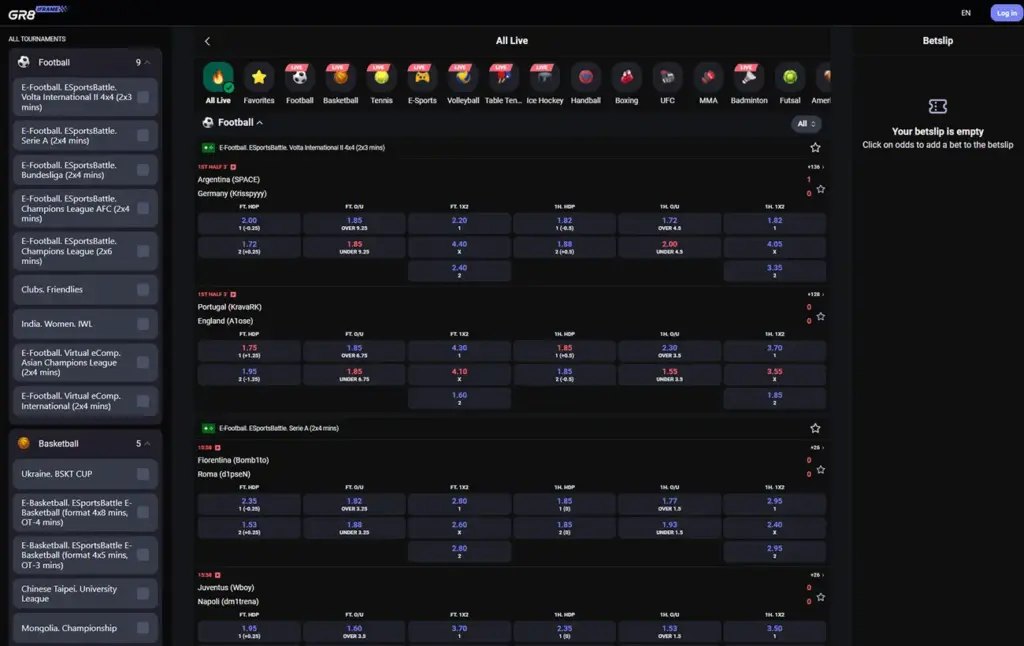
The Interface
This module matters most during live activity, where prices and event status can change in real time.
The Interface
This module matters most during live activity, where prices and event status can change in real time.

Risk Management
in a Betting Platform
Risk management helps the team see exposure, apply limits, and review risky activity before it becomes an operational issue.
Risk tools may include stake limits, event limits, player limits, exposure reports, alerts, activity monitoring, and manual review options. BSW’s sportsbook page mentions risk and operations tools, user activity monitoring, and back-office control as part of the sportsbook setup.
Operators should check how the platform handles high stakes, fast price changes, repeated patterns, exposed events, and manual review cases. They should also understand who manages risk: the operator, the provider, or both.
For bookmaker-led or agent-led projects, this layer is especially important. These models often need control over player groups, balances, limits, wallet movements, reports, and permissions.

Back Office
for Bookmaker and Sportsbook Management
A back office helps the team manage players, payments, wagers, bonuses, reports, limits, and support tasks from one place.
A useful back office supports:
-
player account management;
-
wallet and balance checks;
-
wager history;
-
transaction status review;
-
limits and restrictions; bonus and promotion setup;
-
finance and operation reports;
-
support requests.limits and restrictions;
-
bonus and promotion setup;
-
finance and operation reports;
-
support requests.
Without clear back-office tools, routine checks move into chats, spreadsheets, or disconnected systems.
Payment, License,
and Regulatory Readiness
Payment flow affects deposits, withdrawals, trust, and support volume. Players expect familiar methods, while operators need to see deposit and withdrawal status clearly.
Before launch, operators should check payment providers, currencies, withdrawal flow, transaction statuses, limits, and required checks. Payment setup should also match the target region, licensing model, AML/KYC duties, reporting needs, and support workflow.
In regulated and emerging markets, the setup may need player verification, responsible gambling tools, compliant reporting, transaction records, data storage, and clear player account management.
Operators can review official regulator resources before launch. For LATAM projects, relevant examples include Brazil’s Secretariat of Prizes and Betting, Peru’s MINCETUR framework for remote games and remote sports betting, and Colombia’s Coljuegos requirements for internet-operated games.
For offshore or emerging-market structures, operators may also review Curaçao Gaming Authority guidance on online gaming and supplier licensing.
For stricter regulated-market benchmarks, operators can also review the UK Gambling Commission’s Remote Gambling and Software Technical Standards and the Malta Gaming Authority’s guidance for B2C remote gaming services and B2B critical gaming supply.
BSW provides software and technical support. It does not run betting sites, accept wagers, or provide gambling services to players. The operator remains responsible for licensing, legal review, regulatory checks, market entry, and compliance.
Buying vs Renting
from Software Providers
Operators usually compare buying a platform with renting it through a white label, rental, managed, or custom model.
Buying may suit teams that need more control, customization, and long-term flexibility. Rental or managed formats may suit teams that want faster launch, market testing, or lower internal development workload.
BSW lists Turnkey and White Label as separate launch formats. Turnkey is positioned around a more custom iGaming platform setup, while White Label is presented as a faster launch under ready infrastructure. BSW’s turnkey page also describes launch stages such as requirements and setup, backend and frontend development, design and customization, payments and providers integration, testing, and launch.
| Format | Works best for | Main advantage | What to check |
|---|---|---|---|
| Turnkey setup | Operators that want control | Flexibility for growthFlexibility for growth | Ownership, integrations, support scope |
| White label | Teams that want faster entry | Lower technical load | Branding limits, payments, operating rules |
| Rental or managed setup | Startups or market tests | Easier start | Monthly costs, revenue share, exit terms |
| Custom development | Larger technical teams | More product control | Budget, timeline, maintenance, integrations |
The format should match the target region, budget, operational team, content plan, payment flow, and compliance needs.
Commercial Terms to Discuss Before Purchase or Rental
Before choosing a format, the operator should clarify what is included in the price and what may cost extra.
| Term to clarify | Why it matters |
|---|---|
| Setup cost | Helps plan the launch budget |
| Monthly fee | Affects operating costs |
| Revenue share | Changes long-term cost |
| Integration scope | Shows what is included |
| Customization | Defines design and feature flexibility |
| Support terms | Shows what help is available |
| Exit conditions | Matters if the operator changes platform format |
These points should be discussed before signing, not after development starts.
Which Format
Fits Which Project
Software choice should start with the business model.
| Project type | Better format | Why it fits |
|---|---|---|
| New sportsbook startup | White label or rental setup | Faster launch with less technical work |
| Existing operator | Turnkey platform | More control over integrations and growth |
| Casino adding sports | Hybrid casino and sportsbook platform | Helps manage both verticals |
| Affiliate-led project | Platform with partner tools | Helps manage traffic sources |
| Bookmaker or bookie project | Platform with limits, wallet, and role control | Helps manage groups, balances, and permissions |
This table helps operators prepare the first discussion with a software provider.

How BSW Helps Operators Choose the Right Setup
BSW starts with the project format, target region, operating model, content needs, payment flow, and support requirements.
For sports projects, BSW can support the platform layer, back office, front end, product functionality, design setup, payment integrations, provider integrations, and post-launch support.
BSW may fit teams that need:
-
a sportsbook platform for a new project;
-
turnkey or white label setup;
-
back-office tools;
-
payment and content integration support;
-
casino and sports in one product;
-
technical support after launch.
FAQ
What does a betting platform include?
A betting platform may include front end, back office, bet acceptance logic, player account management, wallet, payments, reports, risk tools, and integrations.
How does the system handle live activity?
Live activity needs fast price updates, event status control, wager validation, and risk tools. Operators should check suspended events, rejected wagers, and settlement updates.
What risk tools should be included?
Useful tools may include stake limits, event limits, player limits, exposure reports, alerts, activity monitoring, and manual review options.
What payment integrations are possible?
This depends on the platform, payment providers, target country, currencies, and compliance rules. Operators should check deposits, withdrawals, status tracking, and local fit.
What format fits a new operator?
A new operator may start with white label or rental to reduce technical workload. If the project needs more control and integrations, turnkey setup may be better.
What licensing model does the setup require?
The licensing model depends on the target region, business structure, and operating responsibilities. Operators should review local rules with qualified legal advisers.

Final Thoughts
A betting platform should help the operator manage launch, daily operations, risk, payments, reports, licensing checks, and support.
Operators should check how the system works in real management and how much control the team will have.
Request a demo from BSW to discuss your target region, platform format, payment flow, integrations, and launch plan.



Ready to
launch your business?
An advanced provider of betting software operating globally. A wide range of innovative products and services for both sports and virtual and casino betting.