





Social Gaming Platform: A Social Media Platform for Gamers in 2026
from 35 days
in 30+ countries
languages
payment flow
and withdrawals
A social gaming platform is a social network built around games, where players connect, chat, join a community, and compete, with the game itself as the shared activity. It differs from a social media platform that happens to have gamers on it, because the whole feed, profile, and ranking structure is built around gameplay.

What a Social Gaming Setup Includes
A player profile is the base layer. On top of it sits a feed for friend activity, chat built in or bridged through Discord, and some kind of ranking so a match means something beyond the immediate result. None of that matters much without other people to use it with. A single-player game doesn’t need teammates or invites, whereas a social gaming platform does, since the entire design leans on other people showing up.
Twitch and Discord already prove the demand for this layer around gaming: millions of players use them daily just to chat and watch, without playing anything themselves in that moment. A dedicated social gaming platform brings that same social interaction inside the game experience itself.
Social Casino Platform Without Real-Money Betting
One version of a social gaming platform builds on casino-style gameplay (slots, card games, tournaments) using virtual currency. Players spin, compete on a leaderboard, and rank against friends, but nothing staked converts to cash. That model matters for operators entering a market without a gambling license or testing a brand’s engagement mechanics before a real-money launch, since virtual currency removes the licensing requirement entirely while keeping the gameplay loop intact.
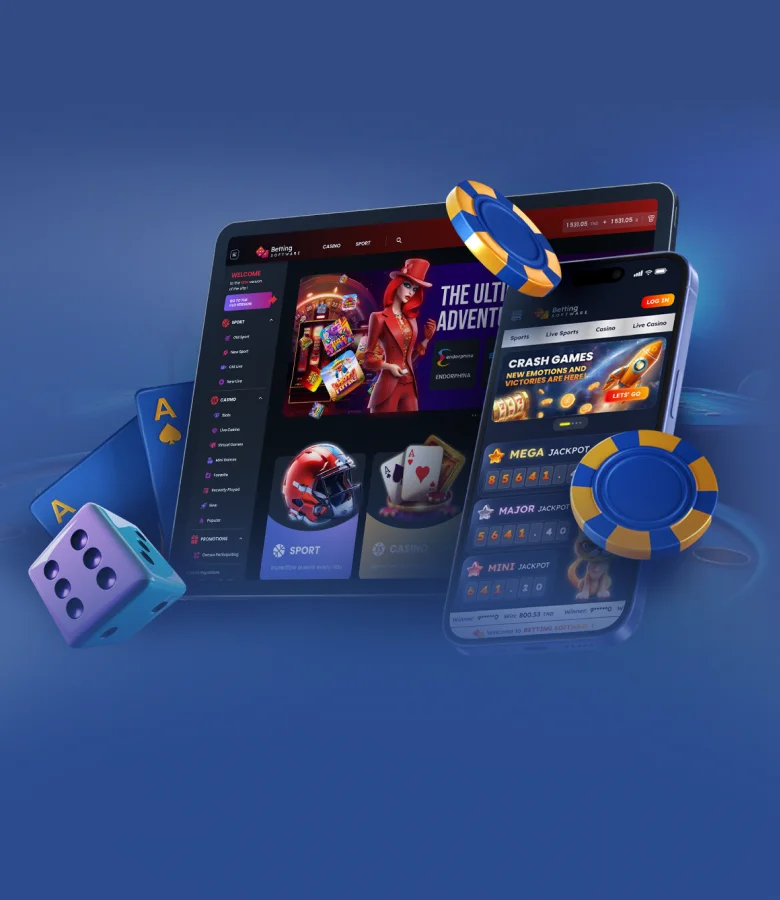
BSW’s platform can operate in this social mode using its existing casino game catalog, with in-game currency, tournaments, and achievement systems replacing cash payouts. That gives an operator a legal path into markets where a gambling license is not yet available, or a lower-risk way to build a community before real-money features go live.
| Mode | Currency | Licensing need |
|---|---|---|
| Real-money casino | Cash deposits and withdrawals | Full gambling license |
| Social gaming | Virtual/in-game currency only | None required |

Community Features That Keep Players Coming Back
What keeps a social gaming platform sticky is a stack of small features working together. A visible ranking gives tournaments a reason to matter beyond the prize. A feed that surfaces a friend’s win pulls that friend’s attention back in. Invite flows lower the friction of finding people already on the platform, and creator or streamer integration brings in an audience that never touched the game itself. Among Us and Fortnite didn’t build their communities through monetization first. The loop came from watching, chatting, and competing, and the money followed once that loop already worked.
Privacy controls matter too, since a platform built around a public feed and profile needs an easy way for players to limit who sees their activity, especially on platforms with a younger user base.

Monetization Beyond Real-Money Betting
Social gaming platforms make money through ads, optional in-app purchases (cosmetic items, extra tournament entries), and brand or sponsorship integration, none of which require a gambling license. That makes a social gaming platform a viable standalone product for gaming companies entering a new market, or a bridge product for an operator building an audience ahead of a real-money license.
FAQ
What is a social gaming platform?
A social gaming platform is a social network built around games, combining chat, community features, and competitive elements like leaderboards with the shared activity of playing games from around the world, instead of general social media content.
What are some popular social gaming apps or examples of social games?
Discord and Twitch are widely used for gaming-focused social interaction, while games like Among Us and Fortnite built strong social communities directly into their core gameplay and matchmaking.
What defines social gaming?
Social gaming is defined by shared, connected play: multiplayer interaction, community features like feeds and profiles, and social mechanics (chat, invites, rankings) built into the game instead of added on top of it.
What are the benefits of social gaming?
Social gaming increases player retention through community bonds and friendship, gives operators a path into markets without a gambling license through virtual currency, and builds an engaged audience before any real-money product launches.
How do social gaming platforms monetize?
Monetization typically comes through advertising, optional in-app purchases like cosmetics or extra entries, and brand or creator partnerships, all of which operate without triggering gambling licensing requirements.



Ready to
launch your business?
An advanced provider of betting software operating globally. A wide range of innovative products and services for both sports and virtual and casino betting.