





iGaming
Platform Solutions
Saturday night, bet volume triples in twenty minutes – that's the moment that decides whether an iGaming platform actually works.
years on the market
providers
employees
bets monthly
payment systems
clients from Latin America
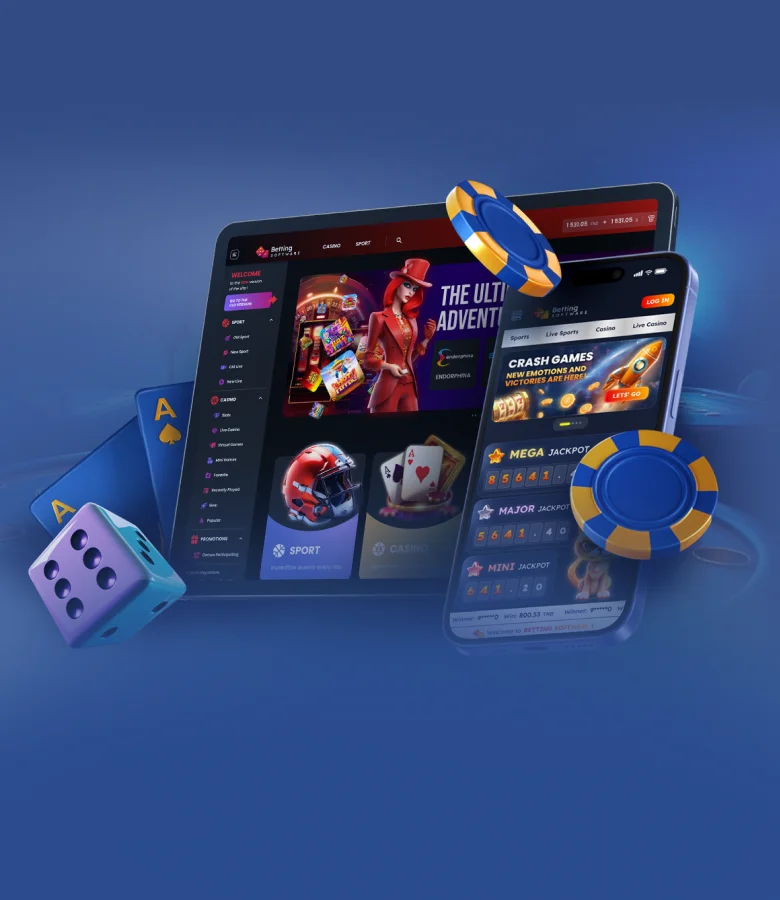
An iGaming platform is the technical core that turns a licensed brand into a working casino or sportsbook: the betting engine, the wallet, the back office, all answering to the same account instead of a loose set of vendor contracts.
BSW builds that core with crypto rails, a game aggregator, and compliance baked in from the start. Four layers do most of the work, and most delivery-model mistakes happen before the build even starts.
Inside the
Online Casino Architecture
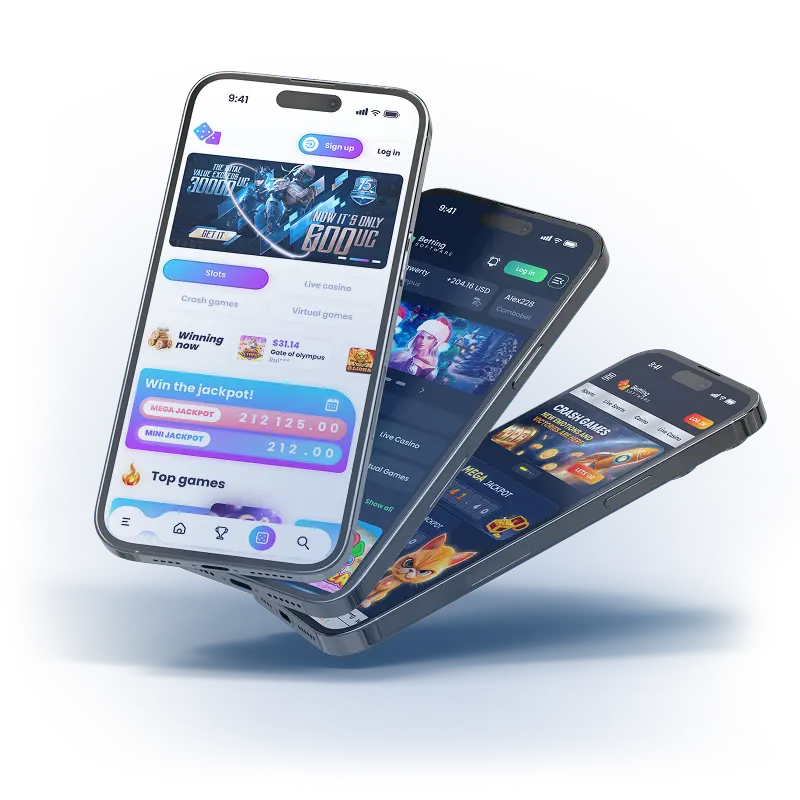
The engine. Handles bet acceptance, odds changes, and round settlement for both casino and sports betting. The part that matters isn’t raw speed – it’s whether the system can reconstruct any given bet from its logs with the same result every time, which is what an audit actually checks.
Player account management and wallet. Balances, KYC status, deposits and withdrawals, all in one place instead of three dashboards that don’t sync. Every transaction here needs to be atomic; a wallet that double-processes a bonus credit during a traffic spike is a regulator finding waiting to happen.
Aggregator. A single connection into hundreds of casino games and studio partners, so adding a new slot provider or a sportsbook feed doesn’t mean a new integration project each time.
CRM and reporting. Player behavior, bonus performance, and betting patterns feed into one dashboard, giving operators full control over their casino and betting operations without pulling numbers from five separate tools by hand.
None of these layers scale independently by accident – that’s a deliberate design choice, not a side effect of picking good vendors for each piece.
Payment and Game Integrations
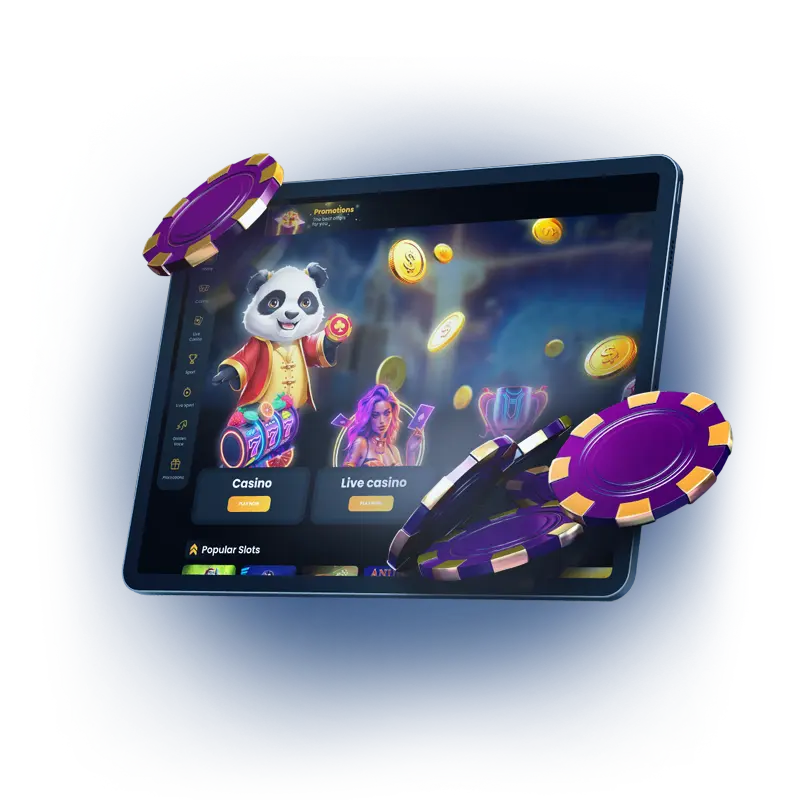
On the payment side, that means cards, bank rails, e-wallets, and cryptocurrencies, with deposits and withdrawals routed through corridors that actually clear in the target geo rather than a generic global default. On the content side, the aggregator reaches casino games, live casino tables, and – for brands running both verticals – sports betting and, in select markets, online poker.
API integration is what turns this from a slide-deck claim into something that actually works: studios and payment processors get wired in once through a standard connection instead of once per partner. That’s also where game providers get added over time without touching the platform’s core code – a new studio is a configuration change, not a rebuild.
Build Powerful
Gaming Experiences to Scale
Scalability in iGaming is what determines whether players stay logged in during the moment they’re most likely to bet. A platform built for this handles a Champions League final or a major jackpot night the same way it handles a quiet Tuesday: no added latency, no queued bets, and no manual intervention.
“Scalability is an architectural decision made early and paid for continuously.”
— Jadex Consulting, iGaming Platform Scalability
Responsible gaming tools, Know Your Customer checks, and anti-fraud monitoring all run on the same infrastructure that handles peak betting volume. None of them can be treated as an add-on layered in after the fact – they’re compliant by default, not compliant when there’s time to get to it. Anti-money laundering checks and session monitoring run non-stop in the background, the kind of standard online gambling regulators now expect by default.
Comparing Platform
Delivery Models for Operators
iGaming businesses usually run into three delivery concepts:
| Delivery model | Control over architecture | Speed to launch | Best fit |
|---|---|---|---|
| White-label | Lowest – shared infrastructure with other brands | Fastest | First brand entering a single market |
| Turnkey | Moderate – preconfigured, license-ready | Fast | Brand that wants speed without shared infrastructure |
| Fully custom platform | Full – architecture and back-office logic owned end to end | Live in 1-2 days once branding and configuration are locked in | Multi-vertical or multi-jurisdiction operator planning to scale |
BSW works from that third position: one custom platform that reaches a live, license-ready state in about one to two days once branding and configuration are locked in – not a from-scratch bespoke build. What changes after that is scope – verticals, markets, and how much of the back office gets tailored versus left as delivered.

Where BSW Fits as an
iGaming Platform Provider
The bulk of BSW’s project history sits in Latin America, MENA, and Africa, with Argentina and Tunisia standing out – markets where payment behavior and licensing timelines shape the build as much as the game portfolio does. That focus has already produced several high-turnover projects live across both regions, kept general here since the industry doesn’t publish named case studies.
Betting terminals round out the offering for markets where retail still matters alongside online, and a partner network covering studios and payment providers supports the aggregator side of the build.
FAQ
What are the different types of iGaming?
Casino, sports betting, and lottery are the three most common verticals, with poker and esports betting showing up in specific markets. A modern iGaming platform doesn’t treat these as separate products – they run on the same engine, wallet, and back office, so a brand can start with one vertical and add another later without a new system.
What's the difference between an iGaming platform and iGaming software?
“Software” often refers to one component – a game, a payment module. A platform is the full system those components run inside: engine, wallet, intergrator, and compliance layer, working together.
Can an iGaming platform handle both casino and sportsbook on one system?
Yes – that’s the point of a shared engine and wallet. A brand can run casino, sportsbook, or both from the same player accounts and back office, adding a vertical later without a separate build.
How does BSW handle scalability during peak betting events?
The engine, wallet, and aggregator scale independently, so a traffic spike during a major match doesn’t force the entire platform to scale (or slow down) as one unit.
Does BSW offer white-label, turnkey, or fully custom builds?
BSW works from one custom platform rather than three separate products with different timelines – the scope (verticals, markets, back-office depth) is what changes, not the underlying approach.
Who's responsible for licensing and compliance – BSW or the brand running the platform?
The brand. BSW configures the platform so it operates correctly the moment a license is in hand, including KYC, AML, and responsible gaming tools built into the core, but the legal licensing process stays with the licensee and varies by jurisdiction.



Ready to
Scope Your Platform?
BSW works with operators on casino, sportsbook, and payment integrations across different markets. The next step is getting in touch with us about what your project actually needs.