





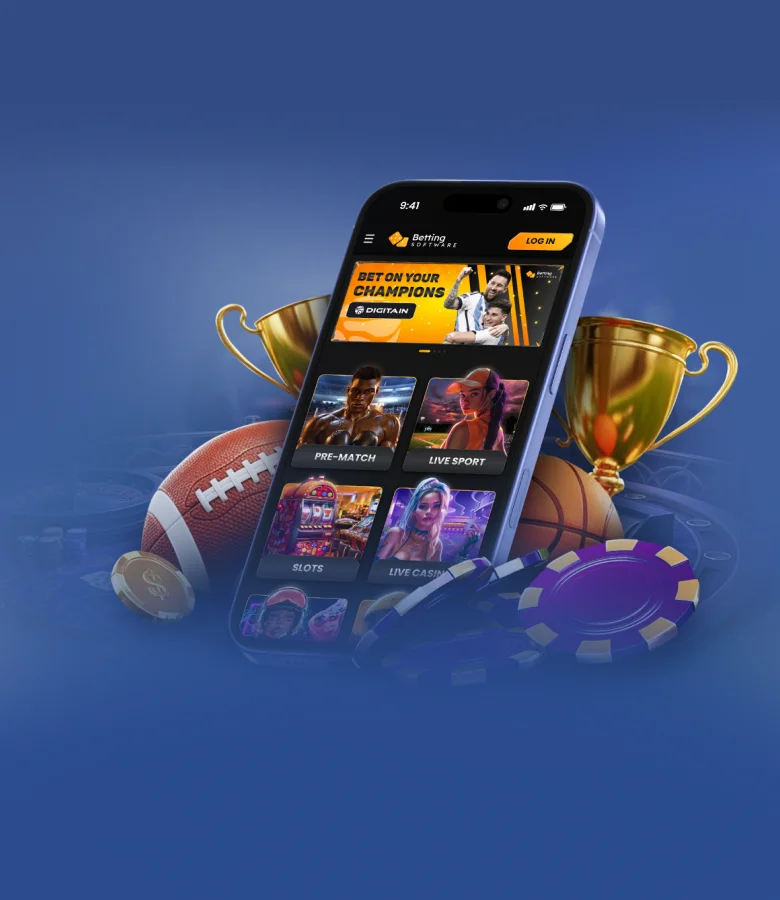
Gamification Solutions for Online Casinos
Gamification means borrowing mechanics that have nothing to do with the actual casino game, points, levels, missions, and leaderboards and building them into a casino or sportsbook product anyway. The reasoning is pretty basic: give players another reason to come back besides the slot or the bet itself.
until your product launch
full support in Spanish
clients in LATAM
providers
games
What gamification actually means on a casino platform
In practice, it adds a second track alongside the actual gameplay. Someone spins a slot or places a bet for the reason they always do, but a gamified layer is counting that same action toward a badge or a milestone reward waiting further down the line.
None of this touches the odds or the RTP. But it still moves the numbers operators actually care about: login frequency, session length, and how long someone sticks around before churning. A gamification solution done well turns a one-off deposit-and-play habit into something closer to an ongoing relationship with the platform.
| Mechanic | What it does |
|---|---|
| Tournaments | Short-term competition on a shared leaderboard, driving urgency and repeat sessions |
| Missions and quests | Guided steps that build habits and structure onboarding for new players |
| Loyalty tiers | Long-term progress that rewards players for staying active over time |
| Leaderboards | Social comparison that taps into competitive instinct, usually paired with another mechanic |
Tournaments: short-term competition that drives sessions
Of all the gamification tools available in iGaming, tournaments are probably the bluntest. Everyone competes on the same leaderboard for a fixed window, usually ranked by wins, wagered volume, or points on specific games, and whoever finishes near the top walks away with a prize.
A standing bonus doesn’t move. A tournament has a clock on it, a start, a finish, and other people visibly competing, and that combination is exactly what pulls someone back into a session they’d otherwise have skipped. Operators build them around a new slot release, a themed weekend, or sometimes across the whole game catalog at once.

Missions and quests: structured onboarding and habit-building
A mission is basically “play more” broken down into steps someone can actually follow. Try three different game categories. Place a set number of bets. Hit a certain deposit threshold. Each step ends with a small reward, which is the whole point.
It’s particularly effective during onboarding. A new player who works through a mission series in their first week sticks around noticeably longer than someone who just gets a welcome bonus and is left to figure things out alone. Missions can also be pointed at specific behaviors an operator wants to see, like a first visit to a live dealer table, a first sportsbook bet, or that kind of thing.
Loyalty tiers: rewarding players for staying
Tiered loyalty programs have been around gambling longer than almost any other gamification mechanic, and they still work. Players climb through levels as they play, which unlock better cashback or faster withdrawals, as well as a personal account manager, or even exclusive promotions the higher they go.
The reason it works is that progress is visible. Someone a step away from the next tier has an actual reason to keep going, and on the operator’s side, it doubles as a built-in way to spot and reward high-value players without anyone manually flagging accounts.
Leaderboards: making progress social
A leaderboard takes something private, like how much someone plays, and turns it into a comparison. Even a plain weekly leaderboard ranked by activity or points is enough to trigger the instinct to check back and see where you land.
On their own, leaderboards mostly appeal to a narrow group of competitive players. Pair one with a tournament or a loyalty tier, and it reaches a much wider slice of the player base, because now there’s an actual prize or status attached to the ranking.

Why gamification boosts retention
Retention is the real reason operators invest in gamification solutions. A gamified system gives a platform structured reasons for a player to return that don’t depend purely on chasing losses or claiming a new bonus. That distinction matters for player experience and for long-term brand trust.
This logic tends to hold up in practice. Platforms that add missions, tiers, and tournaments tend to see longer player lifecycles and higher session frequency than platforms relying only on cash bonuses. Measurable improvement is the point. A gamification strategy that can’t be tracked against session length, deposit frequency, or churn isn’t earning its place on the platform.

Implementing gamification without overcomplicating the product
The mistake most operators make is launching everything at once – a tournament, a loyalty tier, a mission series, a leaderboard – all in the same week, none of them connected to each other in any obvious way. Players lose track of what actually earns a reward, and the whole gamification layer ends up feeling like noise instead of a game.
Start with one mechanic instead, usually a loyalty tier or a simple mission series, and add the next one once the data actually shows the first is working. Real-time tracking of player behavior makes that possible. An operator can see which mechanic drives actual engagement before layering on the next one.
Gamification as part of a full platform
Gamification only works well when it’s connected to the same player data feeding CRM and bonus systems, not built as an isolated feature. A mission reward, a tier upgrade, and a targeted bonus all pull from the same behavioral data, and treating them as separate systems creates the disconnected experience gamification is supposed to fix.
BSW builds gamification tools directly into its casino and sportsbook platform, tying tournaments, missions, loyalty tiers, and leaderboards to the same player data used for CRM segmentation and bonus targeting. More on how that fits together is available at bsw.software/services/white-label/.
FAQ
What are the different types of gamification solutions?
The main types in iGaming are tournaments, missions or quests, loyalty tiers, leaderboards, and badge or achievement systems, often combined instead of used in isolation.
What are some good platforms or tools for implementing gamification?
The most effective setups build gamification directly into the core platform, tied to the same player data used for CRM and bonus targeting, instead of adding a standalone gamification app disconnected from the rest of the product.
Does gamification actually work and what are its benefits?
Yes, when it’s tied to measurable outcomes. Operators typically see longer player lifecycles, higher session frequency, and better retention when gamification gives players a structured reason to return beyond chasing losses or claiming bonuses.



Explore gamification solutions that fit your platform
Stacking mechanics without a plan usually backfires. Tell us what your current player engagement setup looks like and we'll go through which mechanic makes sense first.