





Crypto Casino License: How to Get a Gaming License for Bitcoin Gambling

What Is a Crypto Casino License?
A crypto casino license is a regular gaming license that happens to cover crypto. It lets you take bitcoin or USDT for casino games, and that’s all it does. Paying in coins doesn’t get anyone out of licensing. Operate a crypto casino without one, and you have no legal footing. Banks and payment partners will file you under offshore gambling risk and stay away. Curaçao’s regulator warned that it “may require earlier implementation where material risks are identified,” as per Curaçao Gaming Authority, crypto policy guideline (June 2026).
Why Crypto Casinos Need a License
Look at it from the player’s side. The site is anonymous, the money goes to a wallet, and nobody picks up the phone if a withdrawal never shows up. A license number in the footer is the one sign that someone is accountable. Business partners care as well. Payment processors and game studios ask for it before they sign anything, and a casino without one can lose its game content overnight.
Then there’s money laundering. Crypto moves fast and crosses borders, and regulators know it. A deposit in coins gets a harder look than a deposit in cash, not an easier one.
Jurisdictions for a Crypto Casino
Most of the attention goes to Curaçao and Anjouan. The Isle of Man is the stricter option, with a bill to match.
| Jurisdiction | Application fee | Annual fee | Crypto stance |
|---|---|---|---|
| Curaçao | €4,592 | €47,450 for B2C | Allowed inside the standard B2C license, with a dedicated 2026 crypto guideline |
| Anjouan | About €17,800 with due diligence | About €15,000 | Product-agnostic license, crypto-friendly, no gross gaming revenue tax |
| Isle of Man | £5,250 | £36,750 | One license covers all verticals, stricter substance rules |
Figures for Anjouan come from adviser publications and vary between sources, so confirm them with the regulator. One adviser lists a $15,000 government fee, another €17,828 including due diligence, and processing takes about 90 to 120 days.
Curaçao
The old master-license system is gone. Since December 2024, Curaçao licenses operators directly under a law called the LOK, and the Curaçao Gaming Authority (CGA) reads every application itself. For a B2C license, you pay €4,592 to apply and €47,450 a year after that. The annual fee splits into a €24,490 license fee and a €22,960 supervisory fee. B2B suppliers pay a single €24,490 a year.
Applying takes two rounds. The CGA checks your integrity and finances first. Then it looks at the tech and the legal setup, and it may hand you a provisional license, good for up to six months, while you finish. Count on six to twelve months in total. Advisers say $50,000 to $200,000 all in, but that figure includes substance and compliance costs.

Anjouan
Anjouan is part of the Comoros, and it has issued online gaming licenses since 2005. One license covers casinos, sportsbooks, poker, and similar products. There’s no gaming revenue tax and no local staff requirement, so costs stay lower than in Curaçao. The tradeoff is a thinner reputation. A few payment processors won’t touch Anjouan operators, and the big affiliates may pass too.
Many operators start there and switch to a stricter regulator once the money comes in. Where you end up depends on your players and your payment partners. So ask the partners you want which licenses they accept before you pick one.

Crypto Compliance Requirements
Crypto isn’t a loophole. Curaçao’s June 2026 guideline spells it out. Digital assets don’t lower your AML or responsible gambling duties, and crypto counts as high risk by default.
Operators may accept crypto only as payment for gambling. Player wallets and treasury wallets must stay apart. Sanctioned wallets and mixers are banned from day one, and so are privacy coins and unverified wrapped tokens. You can’t convert crypto for players or act as an exchange. The FATF Travel Rule covers transfers between regulated entities.
Deadlines come in phases. A crypto policy goes to the CGA portal within three months. Risk assessments and staff training are due within six months. The technical controls have to be in place by June 2027, and those are wallet segregation and blockchain analytics. The CGA also prefers stablecoins backed by fiat, so tokens like USDT get a closer look than they used to.
If you go with Anjouan, you’ll need AML and CFT policies and KYC checks on everyone who ultimately owns the company. Your games also need certified random number generators, tested by labs such as GLI or eCOGRA.
Crypto Casinos vs Traditional Online Casinos
Traditional casinos settle in fiat through card networks and banks. A crypto casino settles in coins. Withdrawals get faster, but the compliance work lands on you, in your own wallets and analytics tools. Even the strict regulators are starting to look at it. The UK Gambling Commission, for example, said in February 2026 that it would explore a route for cryptoasset payments in licensed gambling, although it called this only a tentative first step.
The US is a separate case. Real-money online casinos are legal in only eight states, and those states license fiat operators. A Curaçao or Anjouan license doesn’t let you serve US players.

How to Apply for a Crypto Casino License
Start with the jurisdiction and the company that will obtain the license. After that, the business plan and the anti-money laundering policy should be prepared together with the ownership documentation. The platform itself is next. It should comply with all technical requirements and have wallets. The next step is submission, after which the regulator will ask questions that must all be answered before testing can take place. Finally, you get your license after passing the test.
The whole thing takes months, not weeks, and the budget should cover legal help and audits as well as the headline fee.

After the License Is Issued
A license is not the end of the road. The fees will be charged every year along with the reports and audits of your games and wallets. Curaçao is introducing its guidelines by June 2027, which means you need to see the process of compliance as something that needs to be done regularly. Keep track of all transactions made through wallets. Update your risk assessment on adding coins or games.
What Platform Fits a Crypto Casino Project
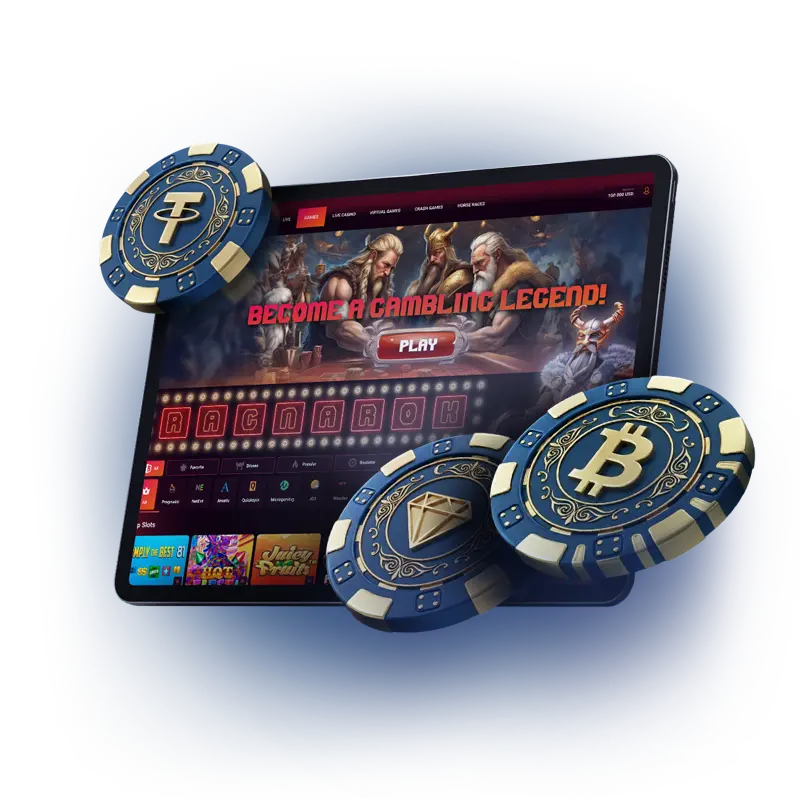
BSW builds a crypto casino platform with wallet support and a back office for crypto payments, and the crypto casino page covers the product. BSW doesn’t issue or arrange licenses. Licensing stays with the operator and varies by jurisdiction, so talk to a gaming lawyer before you decide. The platform has to meet the regulator’s technical and compliance rules, so pick the vendor early.
Games come through one integration with 150+ providers, listed on the game providers page. You can go coin-only or take fiat and cryptocurrency side by side. Popular games usually include dice and crash alongside slots.
For a scoped quote on a crypto casino launch, contact BSW.
FAQ
Can crypto be considered gambling?
Cryptocurrency itself isn’t gambling. It becomes part of gambling when players use it to wager on casino games or sports. Regulators then apply their normal gambling rules to those transactions.
How do I obtain a crypto gambling license?
Choose a jurisdiction such as Curaçao or Anjouan, form a company, then prepare your AML and KYC policies and pass due diligence. The crypto-specific controls go inside the AML policy.
How much does a crypto gambling license cost?
Curaçao charges €4,592 to apply and €47,450 a year for a B2C license. Anjouan advisers quote roughly €15,000 to €18,000 for the application and about €15,000 a year. Legal and compliance costs come on top.
Do I have to pay taxes on crypto gambling winnings?
In the US, gambling winnings count as taxable income, and selling cryptocurrency at a gain can trigger separate capital gains tax. Rules differ by country, so check with a tax adviser.
Why do crypto casinos need a license?
A license proves the operator passed ownership and financial checks and uses tested games. Payment partners and game providers usually require it.
What are the best jurisdictions for a crypto gambling license?
Curaçao suits operators who want a recognized, regulated route, and Anjouan suits crypto-native startups watching costs. Isle of Man costs more but has stronger credibility.
What are the requirements for a crypto casino license?
Corporate documents and beneficial owner checks, plus AML and KYC policies and certified games. For crypto, add a policy covering wallet segregation and blockchain analytics.



Ready to
launch your business?
An advanced provider of betting software operating globally. A wide range of innovative products and services for both sports and virtual and casino betting.