





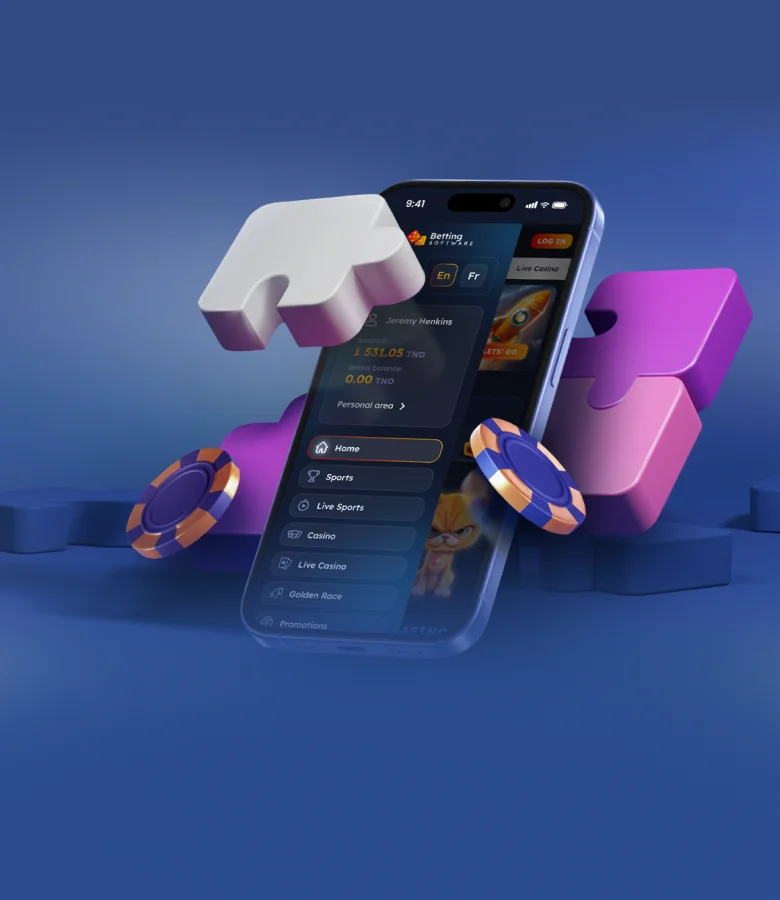
Custom Online
Casino Software Developers
years on the market
providers
employees
bets monthly
payment systems
clients from Latin America
BSW designs, builds, and maintains custom casino and sportsbook platforms for operators who need more than a ready-made template. Launching an online casino was never only about picking a casino game catalog and publishing a website. It has to connect player accounts, wallet operations, payment systems, content, CRM, KYC workflows, reporting, and administrative controls inside one environment that doesn’t fall apart under real traffic.
Two very different needs get lumped under that one label, though. Some operators want a platform live fast, with minimal customization. That’s the ready custom platform – branding and configuration confirmed, standard setup live within a day or two. Others need something built around a specific business model. That’s custom software development, and it runs on a different clock and budget entirely – bespoke iGaming builds industry-wide commonly run into six or seven figures and well over a year, against a few weeks and a fraction of the cost for a pre-built platform. It’s a genuine engineering project, not a configuration task.
This page is about the second kind.
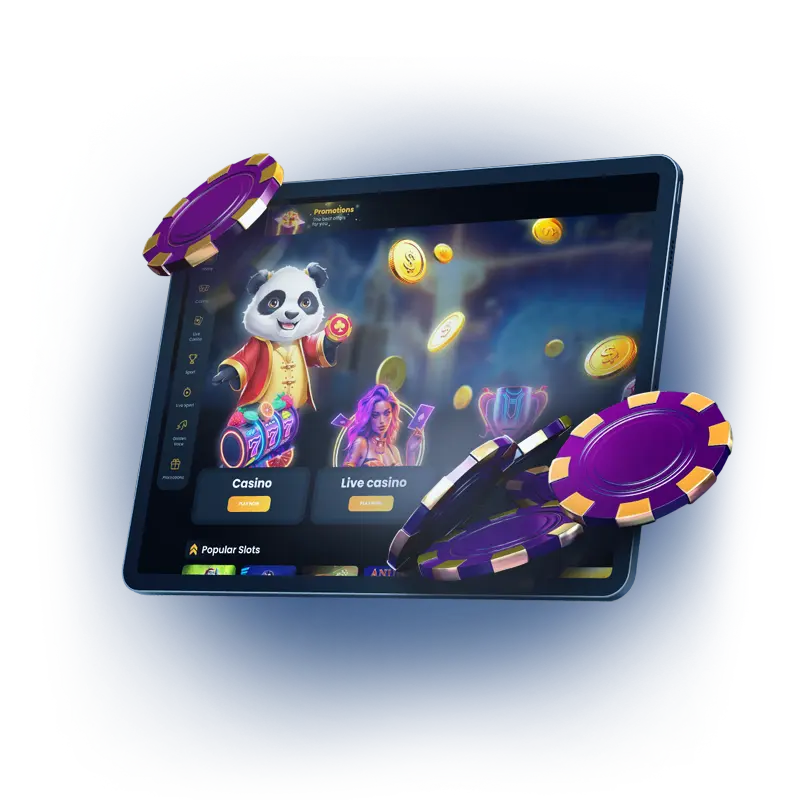
What Custom Casino Software Developers Actually Build
That kind of platform is the technical layer connecting player accounts, wallets, payments, games, and reporting into one back-office view. iGaming software development is the process of building or configuring it around an operator’s target market, business model, and internal workflows – not applying the same setup to every operator regardless of what they actually need.
BSW combines custom development with established igaming infrastructure and a set of development services spanning discovery through post-launch support. An operator can commission a fully customized casino and sportsbook build, add content through API integration, or extend an existing setup with new payment rails, crypto support, or retail terminals. Custom software development is appropriate when the standard setup can’t support the required product logic – a distinctive player interface, custom wallet or bonus rules, local payment methods, role-based back-office permissions, shared casino and sportsbook accounts, multi-brand or multi-market operation.
Custom Casino Software: The Development Stack
Casino software solutions aren’t one product. They’re a stack of distinct engineering areas, each with its own risk profile if it’s built badly. This is what BSW actually builds around, and none of the rows below get treated as an afterthought.
| Development area | What it covers | Why it matters |
|---|---|---|
| Frontend | Game lobby, registration, account pages | Shapes conversion and first impression |
| Backend | Sessions, wallet logic, bonus rules | Financial accuracy, no silent data drift |
| Payments & wallet | Deposits, withdrawals, real-time status | Trust, fewer support tickets |
| CRM & KYC | Segmentation, identity verification | Compliance and retention in one workflow |
| Integrations | Game providers, payment processors, APIs | Growth without a platform rebuild |
| Testing & security | QA, encryption, access control | Fewer incidents after launch |
None of the above are optional in a serious build. What varies is depth – a small operator might need a light CRM layer; a multi-brand licensee running several sports betting and online gambling platforms at once needs role-based permissions across every row above.
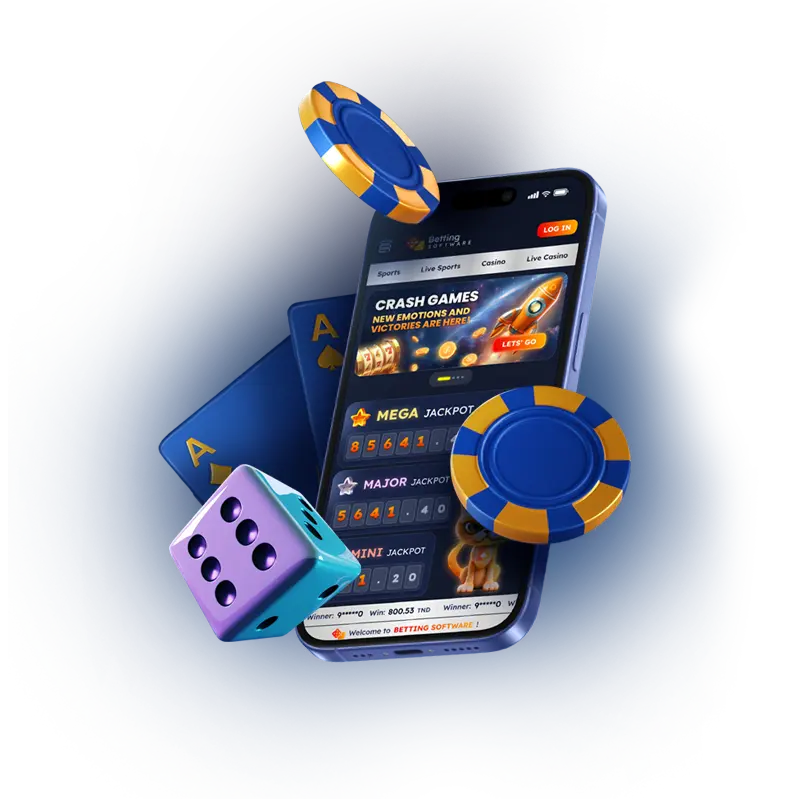
Backend and Software Engineering
Server-side logic handles player accounts, sessions, balances, wallet transactions, bonuses, and limits – the layer where one wrong assumption compounds fastest, because money and player trust both run through it at once.
Wallet and transaction bugs are also the most expensive kind to leave unnoticed. The widely cited IBM Systems Sciences Institute research puts the cost of fixing a defect discovered in production at up to 100 times what it would have cost to catch during design. A wallet bug in a live casino product rarely stays quiet for long once real deposits are moving through it.
Compliance and player-relationship logic live right next to that same engine. A casino platform that treats them as an afterthought usually shows it in campaign timing that’s a day late or identity checks that block a legitimate deposit at the worst possible moment. Integration work – connecting game providers, payment processors, and third-party tools through one API rather than ten separate ones – is what lets a platform grow later without a rebuild. Transaction reporting and responsible-gambling controls are also part of this engineering.
The Custom
Development Process
A reliable development process needs a defined scope, clear responsibilities, and documented stages before anyone writes production code. This is casino platform development in practice, not a checklist item.
Discovery. Business model, target market, languages, currencies, payment methods, providers, and regulatory requirements get mapped before architecture decisions get made. An operator targeting Argentina, for instance – one of BSW’s core markets – brings its own set of discovery questions: Spanish-language interface requirements, local payment rails, and the specific combination of demand that market tends to show. Skipping this stage doesn’t save time – it just moves the cost to a more expensive place to find it. One widely cited industry analysis found close to 40% of software project failures trace back to poor requirements gathering, with roughly half suffering the scope creep meant to be caught on early.
Architecture and customization. This is where the build takes shape technically – what needs to be built from scratch or reused, and how they’ll need to talk to each other when development begins. The output is a spec an operator can actually hold someone to.
Development and integration. The architecture turns into running code at this stage. Work gets sequenced against the agreed specification, with provider and payment connections usually the long pole – timing here depends heavily on documentation, credentials, sandbox access, and third-party response times.
Testing and the security gate. Every path a player or an admin can take through the system gets exercised deliberately rather than discovered in production, including native iOS and Android builds alongside the browser experience. This is also where security protocols and access rules get documented as a formal gate.
Launch and support. After acceptance testing, the platform moves to production. Post-launch work typically includes monitoring, incident response, integration troubleshooting, and ongoing managed services – the unglamorous part of the job that consumes more time than launch day itself.
“The platform is the business. Everything your players experience, every regulatory obligation you meet, every commercial decision you execute flows through it.”
That’s the argument for treating a development partner as a long-term relationship rather than a one-off purchase order – not a vendor picked once and forgotten until something breaks.
AI and the Future
of Casino Software
AI shows up in this part of the engineering stack in places players never see, and a few they do – 56% of the industry, by one recent count, now lists AI integration among its top three business priorities. AI-assisted testing can catch regressions across a growing codebase faster than a manual QA pass alone. AI-driven fraud detection flags suspicious deposit patterns before they turn into chargebacks. AI-based player segmentation feeds CRM campaigns that are actually timed to behavior instead of a fixed weekly schedule.
Game lobby curation is one of the more visible places AI gets applied – surfacing the right slot games, roulette tables, or live casino titles to the right audience. The same models, applied to a bonus layer instead of a marketing one, can support responsible-gambling monitoring. Flagging unusual play patterns for a human reviewer rather than replacing that reviewer outright.
None of this replaces the underlying software engineering. AI models are only as good as the data pipeline that feeds them, and that pipeline still needs to be built, tested and maintained like anything else in the stack. Responsible prediction of player behavior also means keeping privacy and regulatory requirements in view to support better decisions. Blockchain technology has a similar rule: it can support faster settlement in a crypto casino build, but it doesn’t remove the need for KYC, AML checks, or ordinary security review.

Online Casino Platforms
and What Comes After Launch
Once these platforms are live, they don’t stop needing engineering attention. Monitoring, incident management and troubleshooting are continuous activities, not a one-off deliverable packaged with the initial build.
BSW operates as a casino platform and integration provider working across the gambling industry rather than a single-game studio producing titles. The game content itself comes from dedicated providers, connected through the platform’s aggregation layer. Gambling software developers who understand that distinction tend to scope projects more honestly: a platform build is an engineering project with a beginning, but no real end date while it stays in production. A few of BSW’s own builds – high-turnover projects across Latin America and Tunisia – are live, busy, and well past the point where anyone’s still calling them “new.”
Design and Mobile:
The Other Half of the Build
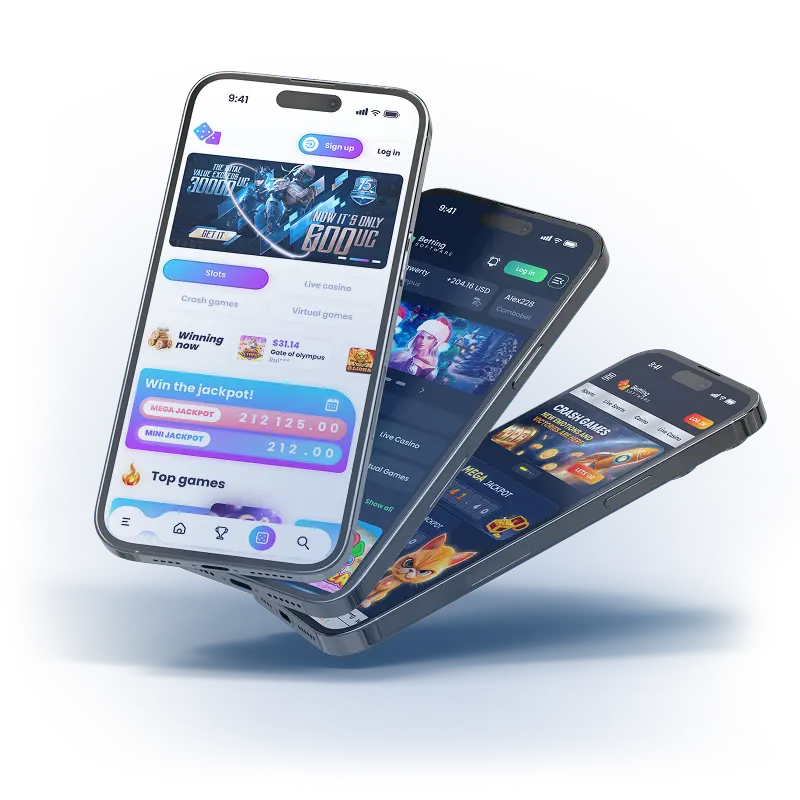
BSW works as one of several development partners an operator might use across a project’s lifetime, not a single all-or-nothing vendor. Design and development stay linked from the first wireframe: a casino solutions package built without proper app development or a native mobile application layer just feels wrong on a phone. Smaller tap targets, slower loads, players who came from a mobile ad landing on a desktop-shaped screen. An online casino game should feel the same whether it’s played in a browser or on a mobile device; the underlying software platform must support both without forking the codebase.
Request a Custom Development Estimate
A useful estimate needs a defined product scope, not a general request for “a complete casino website.” Contact BSW to discuss the business model, target markets, technical requirements, payment methods, and selected providers – the development team can then put together a preliminary scope, an indicative process, and a project-specific proposal. Past builds, a running client list, and BSW’s current partner network give a sense of what’s already been shipped; the team is also reachable at industry events if that’s easier than a form.
Frequently Asked Questions
What does a casino software developer actually build?
Player-facing interfaces, server-side logic, payments, compliance workflows, reporting, and the back-office tools that tie all of it together into one operating platform.
How is custom development different from the ready custom platform?
The ready platform is a preconfigured build, live in about one to two days once branding is confirmed. Custom software development builds or substantially reconfigures the underlying logic – wallet rules, interface, integrations – which takes considerably longer and gets scoped project by project.
Do casino software developers build the games themselves?
No. BSW connects games and content from dedicated providers through one integration layer; individual studios remain responsible for producing the games themselves.
Can an existing casino platform be extended instead of rebuilt?
Yes. API integration can add game providers, payment methods, or a sportsbook layer to a platform that’s already running, without a full rebuild.
Does BSW handle gambling licensing as part of development?
No. Development covers the technology. Licensing stays with the operator and depends entirely on the target jurisdiction – no development partner can substitute for that process.
How long does a custom development project like this take?
Industry-wide, bespoke builds like this commonly run past a year, but the real number depends on scope, integrations, and third-party approval timelines – which is exactly why the discovery stage exists before any estimate gets finalized.
Can the game lobby be customized for a specific market?
Yes. Layout, featured placements, and which providers surface first can all be configured per market – a lobby built for one geo rarely performs the same way copied as-is into another.
Discuss Your Project
What ends up running underneath depends on the geo and the project – payment mix, content, and everything in between. Contact BSW, and also see BSW at industry events, to talk through the market and the scope that actually fits it.



Ready to
launch your business?
An advanced provider of betting software operating globally. A wide range of innovative products and services for both sports and virtual and casino betting.